

Which Is More Cost-Effective: Transporting Waste Elsewhere or Treating It Locally?
This is one of the most frequently asked questions by township authorities and municipal waste management operators. It is also a question that is often miscalculated.
The problem is usually not a lack of accounting skills. Instead, decision-makers tend to consider only the visible costs while overlooking other expenses that can significantly affect the total budget.
Let's take a closer look at both options.
Many local authorities calculate waste transportation costs based solely on freight charges. In reality, there are at least four major cost components:
1. Direct Transportation Costs
These are generally calculated based on the cost per ton-kilometer and depend on transportation distance, road conditions, and vehicle type.
2. Loading, Unloading, and Transfer Costs
These include labor for loading and unloading, transfer station operations, waste compression, and temporary storage. Both labor and facility expenses need to be considered.
3. Fixed Operating Expenses
Vehicle depreciation, insurance, driver salaries, and transportation personnel wages are recurring expenses, regardless of how much waste is transported each day.
4. Hidden and Emergency Management Costs
Road closures, temporary waste storage, waste spillage, odor complaints, and leachate management during the rainy season can all generate additional expenses.
The first three categories can be allocated on a per-ton basis. However, the fourth category is harder to quantify. These costs may not appear in routine accounting records, but they can become significant when environmental inspections, public complaints, or community concerns arise.
A more comprehensive calculation is:
Annual Off-Site Transportation Cost = Annual Waste Volume × Transportation Cost per Ton + Annual Fixed Expenses + Emergency and Environmental Management Costs.
Transportation rates can usually be obtained from local service providers, while fixed and emergency expenses need to be estimated according to local operating conditions.
On-site waste treatment also involves four major cost categories:
1. Equipment and Installation
The initial investment in treatment equipment and installation should be allocated over the equipment's service life through annual depreciation.
2. Civil Construction and Site Preparation
This includes the construction of the treatment facility, equipment foundations, temporary waste storage areas, and operational access roads.
3. Daily Operating Expenses
Typical expenses include electricity, auxiliary fuel, labor, and consumables such as activated carbon, alkaline solutions, and filter bags.
4. Residue Disposal
After waste volume reduction, the remaining residue may account for approximately 5% of the original waste volume, depending on waste composition and operating conditions. It can then be directed to suitable disposal methods, such as brick production where technically and legally appropriate, or secure landfill disposal.
One important parameter is the waste volume reduction rate.
HOLYSHIELD's high-temperature pyrolysis gasification technology can achieve a waste volume reduction rate of over 95% under suitable operating conditions, leaving less than 5% residual material.
This significantly reduces the quantity of waste requiring subsequent transportation or disposal.
Many project cost assessments overlook the downstream savings associated with this reduction.
Let's consider a simplified example:
A township generates approximately 4 tons of municipal solid waste per day.
Daily waste generation: 4 tons
Annual waste generation: Approximately 1,460 tons
Waste volume reduction rate: 95%
Remaining residue: Approximately 70 tons per year
Instead of paying transportation fees based on the original 1,460 tons, the amount requiring further transportation or disposal could be reduced to approximately 70 tons, assuming the stated reduction rate is achieved and the residue requires off-site disposal.
The difference in transportation costs can represent a substantial contribution toward offsetting the annual operating expenses of an on-site treatment facility.
Actual savings should be calculated using local transportation rates, equipment investment, operating expenses, and residue disposal fees.
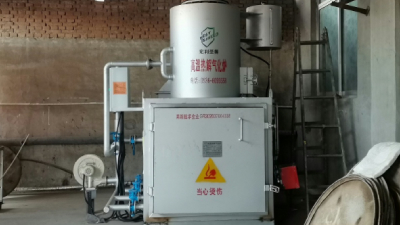
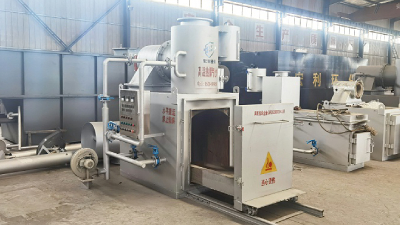
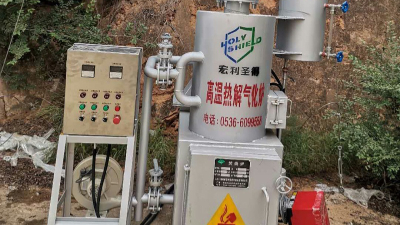
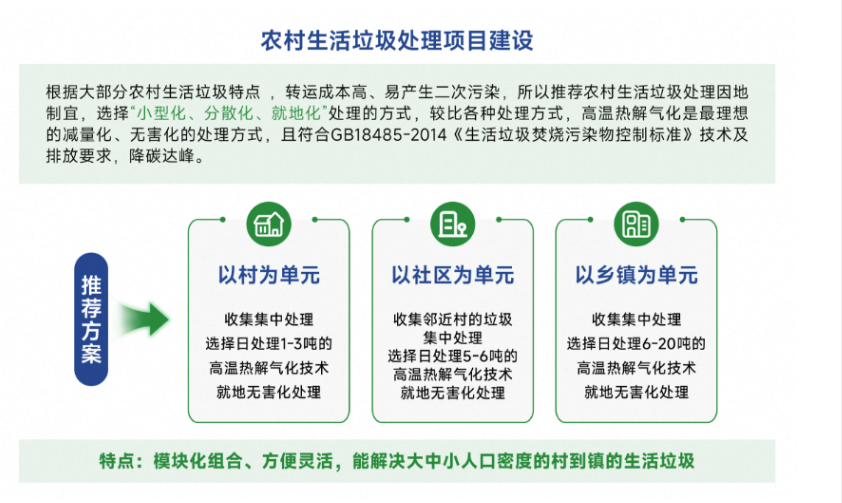
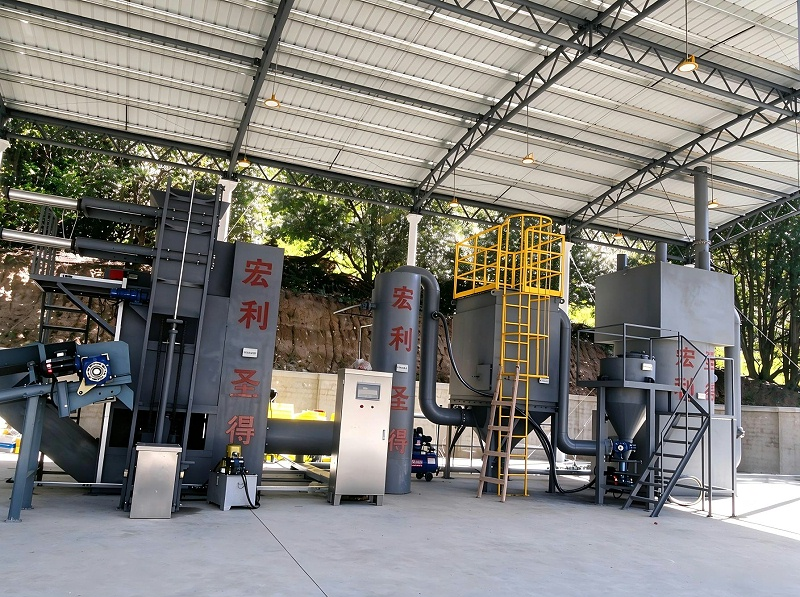
HOLYSHIELD has supplied a 4-ton-per-day municipal solid waste treatment system for Bitu Township, Luolong County, Qamdo, Tibet.
The project utilizes our independently developed 3T+E high-temperature pyrolysis gasification technology.
The complete treatment process incorporates:
Pyrolysis gasification
Secondary high-temperature combustion
Rapid flue gas cooling
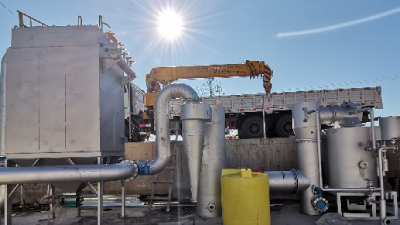
Multi-stage flue gas purification
The treatment process works as follows:
Stage 1: Primary Pyrolysis and Gasification
Municipal solid waste enters the primary combustion chamber, where it undergoes pyrolysis and gasification under oxygen-deficient conditions.
The combustible gases generated during this process are then directed into the secondary combustion chamber.
Stage 2: Secondary High-Temperature Combustion
The secondary combustion chamber operates at temperatures above 850°C, with a flue gas residence time of at least 2 seconds.
Combined with turbulent air distribution and an appropriate excess-air ratio, this stage is designed to promote thorough combustion and the decomposition of persistent pollutants, including dioxins.
Stage 3: Rapid Flue Gas Cooling
The high-temperature flue gas passes through a rapid cooling tower, where it is cooled within 2 seconds to minimize the risk of dioxin reformation.
Stage 4: Multi-Stage Flue Gas Purification
The flue gas then passes through a combination of purification technologies:
Semi-dry flue gas desulfurization and acid gas removal
Activated carbon adsorption
Baghouse filtration and dust removal
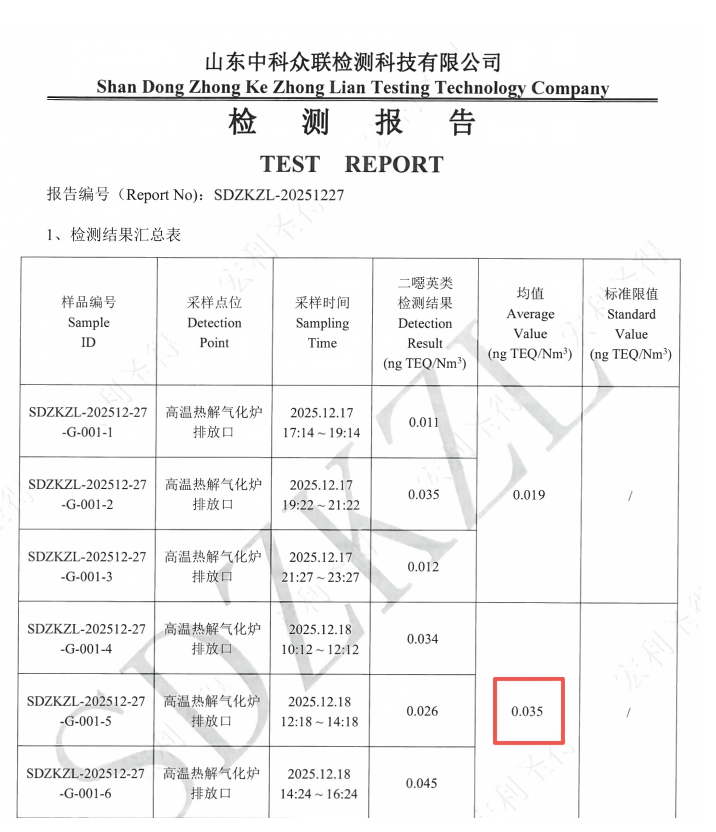
The system is designed to meet the applicable requirements of China's GB 18485-2014 Standard for Pollution Control on the Municipal Solid Waste Incineration, with dioxin emissions reported to be well below applicable international limits.
The integrated process aims to achieve effective waste treatment while minimizing visible smoke and unpleasant odors.
Beyond direct financial expenses, there are three additional factors that can significantly influence the final decision.
1. The Cost of Road Disruptions
In mountainous regions during the rainy season, or in northern areas during winter, road closures are not uncommon.
When transportation routes are disrupted, waste may need to be temporarily stored. Prolonged storage can require additional collection, disinfection, and emergency management, potentially leading to environmental complaints.
These costs are difficult to predict during normal operations but can become substantial when disruptions occur.
2. Labor Requirements
Off-site transportation requires drivers and loading personnel, while on-site treatment requires equipment operators.
The comparison should not be based solely on wage figures. Decision-makers should also consider workforce availability, recruitment difficulties, and employee retention.
3. Operational Time and Management Efficiency
Off-site transportation involves several stages: waste collection, transfer, and transportation to a centralized treatment facility.
Any interruption along this chain can lead to waste accumulation.
On-site treatment shortens the operational chain by processing waste locally, potentially allowing waste to be treated on the same day it is collected.
This can simplify daily waste management and improve operational control.
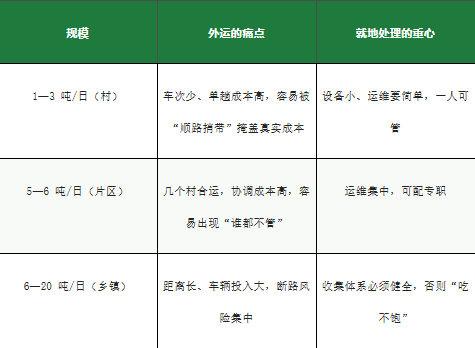
The most economical solution depends on the scale of the project and local conditions.
For village-level waste management projects, on-site treatment may be more cost-effective because transportation costs per ton can be relatively high when small quantities of waste are collected over long distances.
For larger townships with concentrated populations, good road networks, and convenient access to county-level waste treatment facilities, centralized treatment and off-site transportation may be the more economical option.
There is no universal solution. The right decision depends on local waste generation, transportation distance, infrastructure, labor costs, and treatment requirements.
To avoid misleading calculations, we recommend the following approach.
Step 1: Include All Costs on Both Sides
Calculate all four cost categories for off-site transportation and all four categories for on-site treatment.
Do not compare transportation fees alone with the purchase price of a treatment system.
Step 2: Use Annual Costs and Cost per Ton
Calculate the total annual cost for each solution, then divide it by the annual waste volume.
This gives you the comprehensive cost per ton, making the two options directly comparable.
Step 3: Conduct a Sensitivity Analysis
Evaluate different scenarios involving:
Changes in transportation rates
Fuel price fluctuations
Increases in labor costs
Changes in annual waste generation
Equipment operating and maintenance expenses
This helps determine whether the preferred solution remains economical when market conditions change.
If the two options have similar overall costs, consider a second important factor: operational predictability and control.
Off-site transportation costs are more exposed to external factors such as fuel prices, road conditions, and transportation service availability.
On-site treatment can offer greater control over daily waste processing and operating arrangements, making it easier to plan and manage annual budgets.
For municipalities and township authorities working with limited budgets, this predictability can be just as important as achieving a small percentage reduction in overall costs.
Every township has different waste generation levels, transportation distances, infrastructure, and operating requirements.
At HOLYSHIELD, we provide small-scale municipal solid waste treatment solutions tailored to different project capacities and local conditions.
Our team can help you evaluate your waste volume, treatment requirements, equipment configuration, and estimated operating costs.
Contact HOLYSHIELD today for a customized municipal solid waste treatment solution and project cost assessment.
HOLYSHIELD – Professional Waste Treatment Equipment Manufacturer.
Our Location:Hengliu Road, Economic
Development Zone, Zhucheng, Weifang, China
Mail Address:holyshield888@gmail.com


