



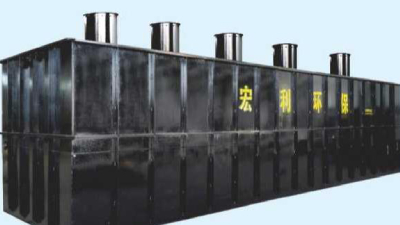
Jewelry processing waste generated from cleaning and polishing contains precious metals such as gold, silver and platinum. How can such waste be recycled and reused to recover the precious metals inside? The answer lies in a waste resource utilization solution centered on temperature-controlled processes. This solution is implemented by industrial waste treatment equipment manufacturers with strong R&D capabilities and professional teams. It recovers precious metals from waste for cyclic reuse while fully meeting environmental compliance requirements.
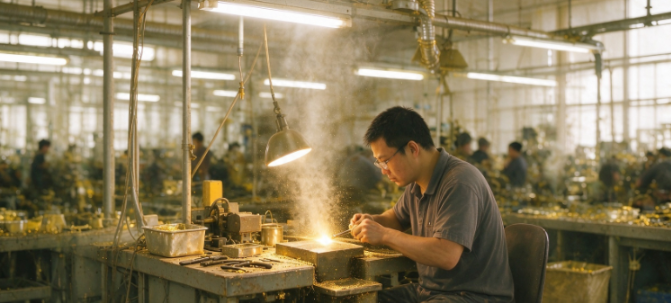
In jewelry processing enterprises, gold ingots are fabricated into a wide range of finished ornaments. Processes including cleaning, dissolution and polishing generate waste laden with precious metals. Some workflows also produce precious metal-loaded materials, which are commonly adsorbed and enriched by activated carbon for subsequent recovery.
Precious metal-bearing jewelry processing waste refers to waste containing precious metals from cleaning, dissolution, polishing and other working procedures. Its value lies in precious metals including gold, silver and platinum. The core challenge is that precious metals are often highly dispersed and carried by diverse substrates. Improper handling will lead to the loss of precious metals and wasted resources.
For jewelry manufacturers, traditional recovery methods deliver limited precious metal extraction efficiency and fail to maximize resource value. Meanwhile, tightening environmental regulations for processing operations make crude treatment non-compliant.
Compared with waste from other industries, jewelry processing materials feature flexible batch sizes and diversified categories. Waste generated by different processes varies greatly in form, which calls for targeted, adaptable recycling solutions.
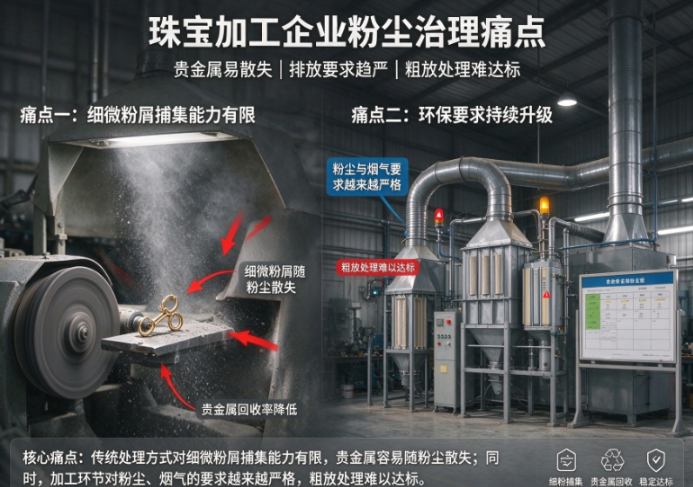
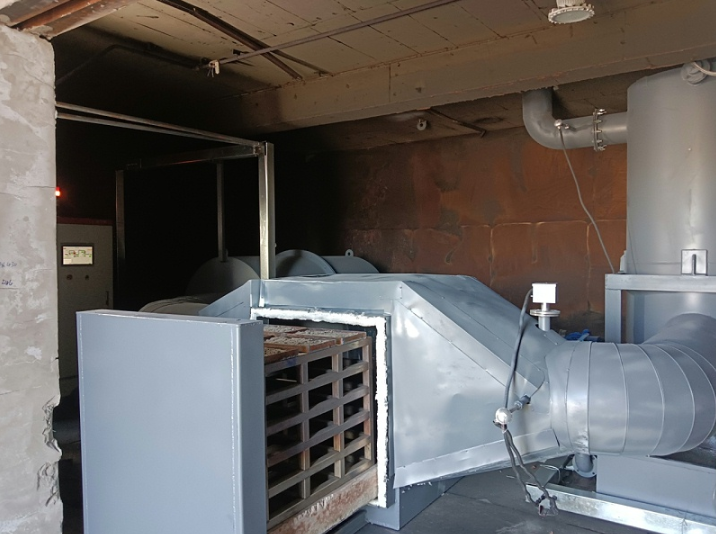
Adopting our temperature-control-centric recycling solution transforms jewelry precious metal waste treatment from crude processing into refined recovery. It improves precious metal yield, unlocks the resource value of waste and returns recovered metals back into production. Custom flue gas treatment systems guarantee odorless, compliant emissions. Optimized automation reduces manual workload. Combined with flexible fuel options and waste heat utilization, the solution effectively lowers operating costs.
To view real-world application results of this process for complex waste materials, you may refer to our pharmaceutical industry case study on industrial waste solutions.
Q: Can precious metal-containing waste from jewelry processing be recycled and reused? A: Yes. Waste generated in cleaning and polishing procedures can be processed by dedicated equipment built around temperature-controlled processes to extract and reuse precious metals while meeting environmental emission standards.
Q: How is gold extracted from jewelry polishing waste? A: Precious metals in polishing waste are first enriched, then processed via specialized temperature-controlled workflows to regenerate precious metals for reintroduction into production, paired with integrated flue gas purification.
Q: How to select a suitable precious metal waste recycling solution? A: Focus on the supplier’s material analysis capability, maturity of temperature-controlled technology, anti-loss structural design for precious metals, and ability to deploy flue gas treatment systems that satisfy regulatory requirements.
Q: Is the solution suitable for small-volume, multi-batch waste? A: Yes, we offer flexible customized processing modes. Supported by our analysis-and-verification workflow, the solution adapts well to scenarios with small and frequent waste batches.
Recycling precious metal-bearing jewelry processing waste is a systematic project requiring deep material insight, precise process control and seamless team collaboration. Diversified and highly dispersed waste streams best demonstrate the true capability of an industrial waste treatment equipment manufacturer.
If you are seeking recycling solutions for precious metal waste from jewelry production, please contact us with your waste samples for a targeted solution assessment.
Our Location:Hengliu Road, Economic
Development Zone, Zhucheng, Weifang, China
Mail Address:holyshield888@gmail.com


