

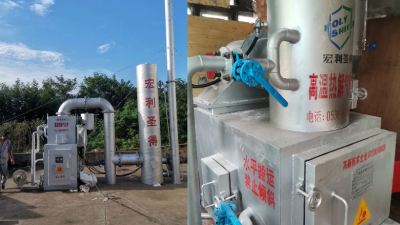
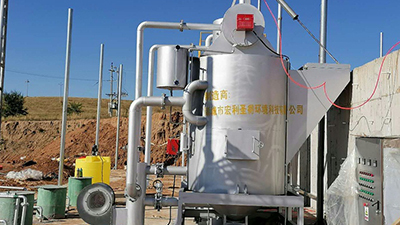
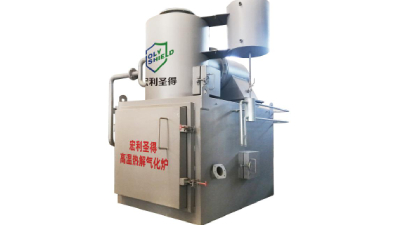
Medical waste incinerators are designed to treat suitable healthcare waste through high-temperature combustion. For hospitals and specialist waste treatment operators, choosing the right system requires careful consideration of treatment capacity, waste composition, operational safety, emissions control, and local regulatory requirements.
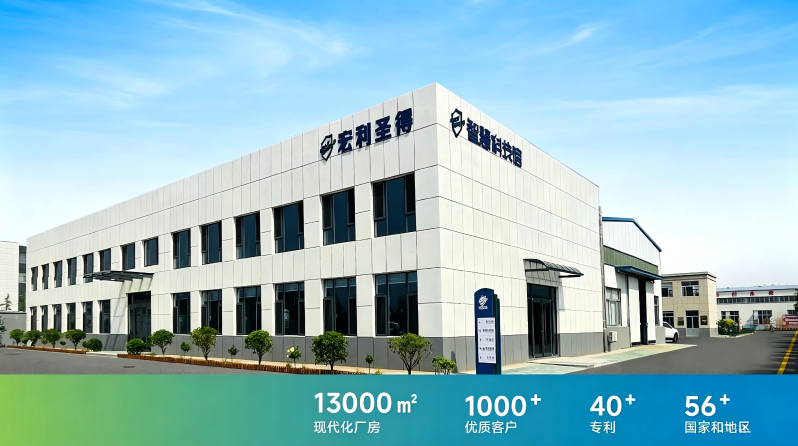
With 20 years of experience in waste treatment equipment research, development, and manufacturing, Zhucheng HOLY SHIELD Environmental Technology Co., Ltd. provides medical waste incineration equipment for different project requirements.How can healthcare facilities select a suitable medical waste incinerator, and what makes a supplier reliable? This article examines the key functions, application scenarios, and evaluation criteria.
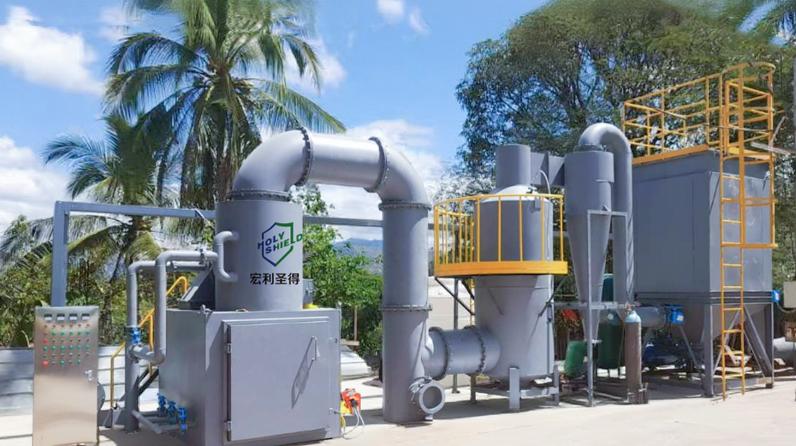
The primary function of a medical waste incinerator is to treat suitable combustible healthcare waste through controlled high-temperature combustion. Under appropriate operating conditions, the process destroys pathogens and reduces waste volume.
Treatment performance depends on the complete system, including combustion conditions, waste loading procedures, emissions control, and the management of ash and other residues.
Medical waste varies in composition, moisture content, and heating value. A suitable incineration system should be selected according to the waste categories accepted for the project.
Waste segregation remains essential. Certain materials may require separate treatment or additional controls, so buyers should confirm the equipment’s accepted waste list and operating limitations before purchase.
Safety features help reduce risks during loading, combustion, and maintenance. Depending on the equipment configuration, these may include temperature monitoring, pressure control, alarms, and protective interlocks.
Buyers should assess the specific safety features supplied with the equipment, together with operator training and maintenance requirements.
Where local regulations permit, an appropriately configured incineration system may be used for on-site medical waste treatment at hospitals and other healthcare facilities.
For smaller facilities, equipment selection should consider daily waste generation, available installation space, fuel supply, operator availability, and emissions control requirements.
On-site installation does not remove the need for applicable permits, environmental assessments, or approved residue disposal arrangements.
Regional treatment facilities may use larger incineration systems to process waste collected from multiple healthcare institutions.
These projects typically require assessment of treatment capacity, waste receiving and storage arrangements, loading systems, operating schedules, flue gas treatment, and maintenance access.
The equipment should be configured around the facility’s actual waste streams and expected workload.
Supplier experience is useful when supported by relevant project references, manufacturing capabilities, and technical documentation.
HOLY SHIELD’s experience in waste treatment equipment provides a starting point for evaluation. Buyers should also review comparable installations and discuss the supplier’s experience with their specific waste types and project conditions.
A suitable system should match the required treatment capacity, waste composition, installation conditions, and operating schedule.
Before requesting a quotation, prepare information about:
This information helps the supplier propose an appropriate configuration.
Compliance depends on the equipment configuration, installation, operating practices, and applicable local requirements.
Buyers should request relevant technical documentation and emissions test reports, then confirm project requirements with the appropriate local authorities or qualified advisers.
A general product specification alone does not establish that a complete installation will meet every jurisdiction’s requirements.
Purchase price is only one part of the investment. Fuel consumption, electricity use, staffing, maintenance, replacement parts, and residue disposal all affect long-term operating costs.
Cost estimates should be based on a defined waste stream, operating schedule, and equipment configuration.
Evaluation Area
What Buyers Should Check
Waste Compatibility
Accepted waste categories, exclusions, and segregation requirements
Treatment Capacity
Rated capacity and the conditions under which it applies
Combustion Control
Monitoring, control methods, and operating procedures
Safety Features
Alarms, interlocks, pressure control, and operator protection
Emissions Performance
Flue gas treatment configuration and relevant test results
Operating Costs
Fuel, electricity, maintenance, staffing, and residue disposal
After-Sales Support
Training, spare parts availability, and technical assistance
Review how the system controls combustion and handles the intended waste stream. Ask for operating records or relevant test information from comparable applications.
Assess the complete installation, including emissions control, wastewater where applicable, and ash handling. Confirm that the proposed configuration can be evaluated against local requirements.
The equipment should match both the waste volume and the conditions at the installation site. An oversized or undersized system can create unnecessary operating difficulties and costs.
Reliable after-sales support helps maintain equipment performance over time. Buyers should confirm the scope of installation guidance, operator training, maintenance support, and spare parts supply.
Selecting a medical waste incinerator requires a clear understanding of the waste stream, treatment capacity, safety requirements, and regulatory conditions.
HOLY SHIELD can help assess equipment options based on your project information. Share your waste composition, required capacity, installation location, and site conditions to discuss a suitable configuration.
Our Location:Hengliu Road, Economic
Development Zone, Zhucheng, Weifang, China
Mail Address:holyshield888@gmail.com


