

As demand for industrial solid waste treatment continues to grow, overseas factories and industrial parks are looking beyond the initial purchase price when selecting incineration equipment. Treatment performance and long-term equipment reliability have become central to their purchasing decisions.
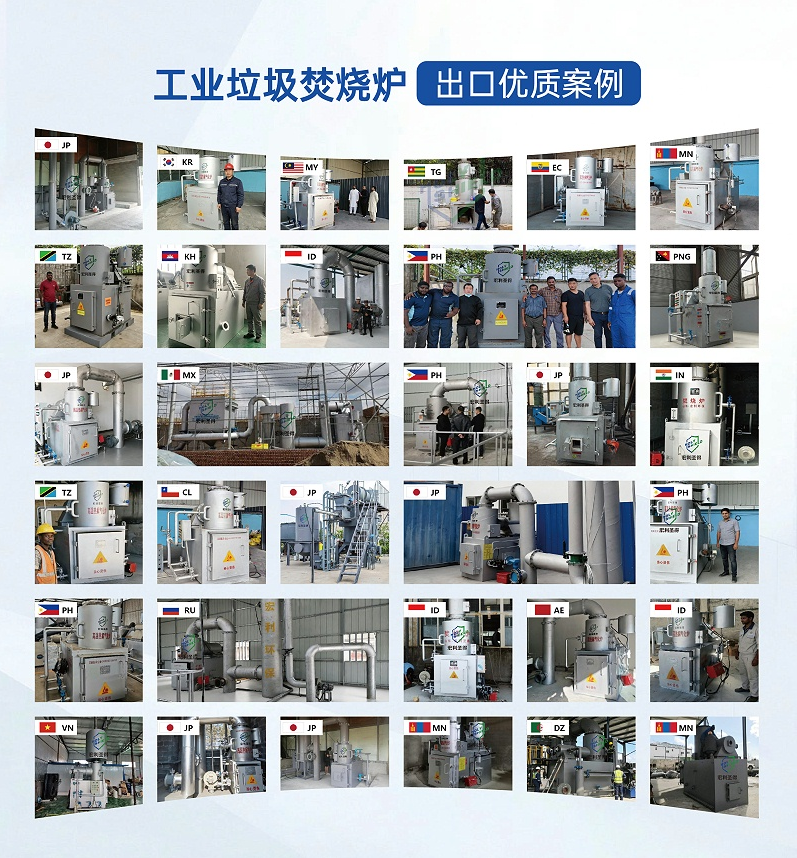
With years of experience supplying industrial waste incinerators to international markets and projects in more than 50 countries, HOLY SHIELD understands the practical concerns of overseas buyers.
Treatment Performance Comes First
Buyers first assess whether an incinerator can effectively process the waste generated at their facility.
Industrial waste composition varies significantly between countries, industries, and individual sites. Some waste streams have high moisture content or fluctuating calorific values, while others contain a mixture of organic materials. These differences require careful assessment of the equipment’s suitability and operating conditions.
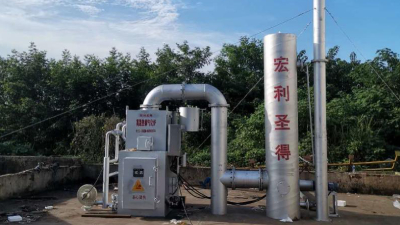
A properly designed industrial waste incineration system uses secondary combustion at high temperatures to promote the combustion of gases released from the primary chamber. The overall process can substantially reduce waste volume and weight.
A project-specific flue gas treatment system is also essential. Its configuration should reflect the waste composition and applicable environmental requirements at the installation site.
During the evaluation stage, overseas buyers often review combustion performance, the loss on ignition of residual ash, and emissions test data. They may also request site visits or representative waste trials to assess whether the equipment can consistently process their local waste stream.
These checks help identify risks such as incomplete combustion or emissions exceeding applicable limits before the equipment is delivered.
Equipment Quality and Suitability for Local Conditions
Overseas buyers also place considerable emphasis on equipment quality and its ability to withstand local operating conditions.
International shipping, spare parts delivery, and on-site maintenance can be costly. Frequent failures involving the furnace structure, refractory lining, or control system may lead to significant downtime and operational losses.
HOLY SHIELD applies material selection and welding standards during manufacturing and adapts equipment design to project conditions. These may include tropical heat and humidity, cold climates, or coastal environments with salt exposure. Relevant design measures help improve corrosion resistance and thermal insulation.
Core components undergo repeated aging tests, and complete equipment is tested before dispatch to help reduce commissioning risks at overseas sites.
The equipment’s modular design supports international transportation and on-site assembly. Multilingual operating manuals and remote technical guidance help local teams understand operation and maintenance procedures.
Delivery, Spare Parts, and Long-Term Support
Beyond treatment performance and equipment quality, buyers also consider relevant certifications, delivery schedules, spare parts availability, and ongoing technical support.
Exporting environmental equipment involves more than delivering a machine. Buyers need a waste treatment solution supported by appropriate documentation, installation guidance, and after-sales service.
Many procurement teams visit manufacturing facilities to review production controls and inspect workmanship. They also examine operating records from comparable projects, particularly installations in similar regions or environments, to assess long-term reliability.
A Practical Basis for Equipment Selection
For overseas buyers, a suitable industrial waste incinerator must combine consistent treatment performance, reliable construction, and compatibility with local environmental requirements and operating conditions.
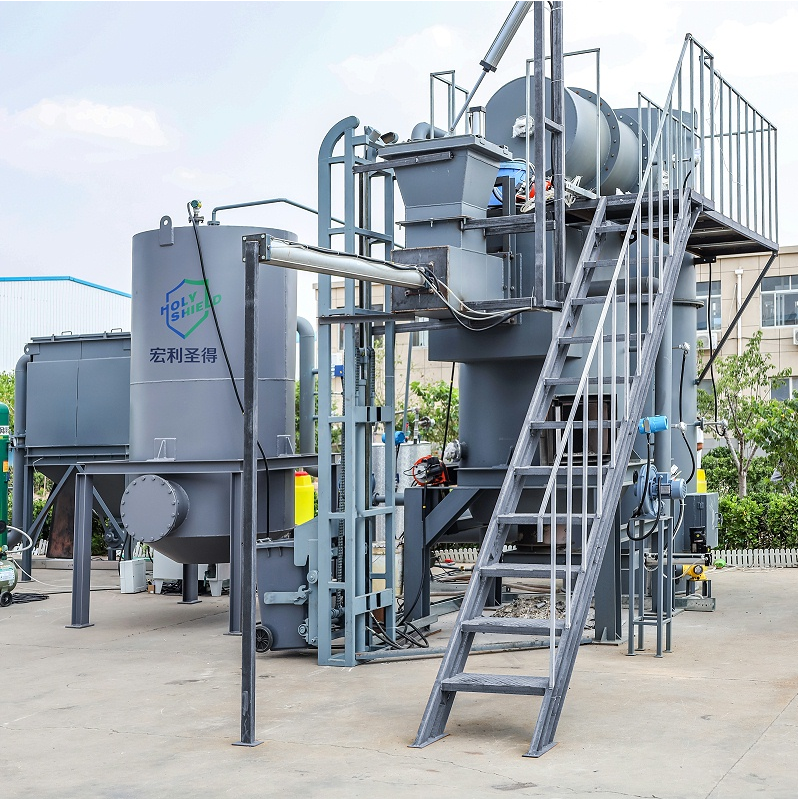
HOLY SHIELD continues to develop its industrial waste incineration equipment, drawing on international project experience to provide solutions tailored to customers’ waste streams, site conditions, and operational needs.
Our Location:Hengliu Road, Economic
Development Zone, Zhucheng, Weifang, China
Mail Address:holyshield888@gmail.com


