



Freezing temperatures, snow, and ice can affect every stage of a municipal solid waste incineration project, from waste collection and transport to equipment delivery, installation, and daily operation. For towns, townships, and counties planning a facility in a cold region, equipment selection should account for local winter conditions, waste characteristics, site infrastructure, and the operating team’s ability to run and maintain the system.
Rated daily capacity and equipment dimensions are useful starting points. A winter operating plan also needs to address waste moisture and composition, cold starts, furnace insulation, combustion air supply, freeze protection for piping, and maintenance of the flue gas treatment system.

Before selecting an equipment configuration, document the lowest expected winter temperature, the duration of cold spells, and the likelihood of heavy snowfall and strong winds. Check whether roads remain accessible in winter, whether the site has a reliable power supply, and whether equipment can be delivered and installed under local conditions.
The waste assessment should cover its sources, average daily volume, seasonal fluctuations, composition, and moisture content. For township and remote projects, also review the collection area, pickup frequency, winter road conditions, and existing site facilities.
Use these findings to determine the required treatment capacity, operating schedule, and supporting infrastructure. Population figures and short-term peaks provide context, while actual waste volumes and collection patterns give the project team a better basis for sizing the system.
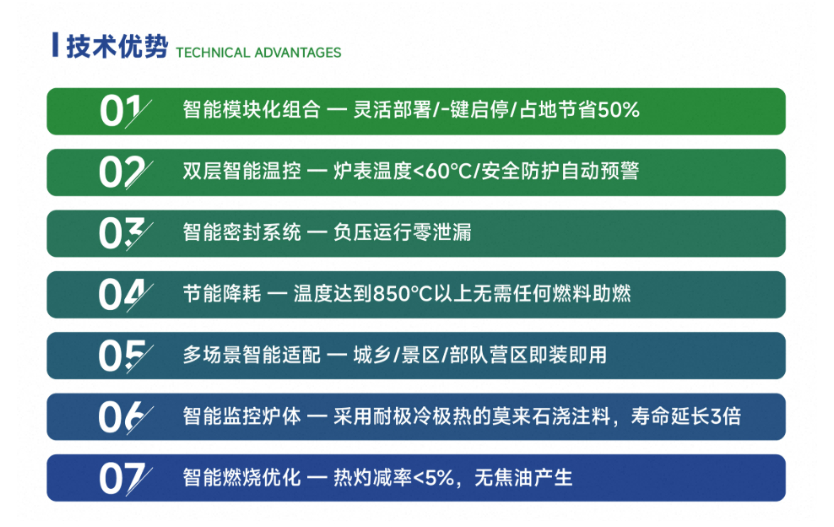
Evaluate the furnace structure, insulation, combustion system, and operating controls together. HOLY SHIELD’s municipal solid waste incineration equipment uses a vertical design and incorporates 3T+E high-temperature pyrolysis and gasification technology. The appropriate configuration depends on the waste composition, required treatment capacity, and site conditions.
In cold weather, follow the equipment-specific requirements for startup, warm-up, and continuous operation. During equipment selection, confirm that furnace insulation, combustion air distribution, and operating controls suit the temperatures expected at the site.
For sites at high elevation, assess atmospheric pressure, air density, and equipment suitability separately. A project exposed to both low temperatures and high elevation needs to account for both conditions when evaluating the combustion air supply and operating controls.
Reliable winter operation depends on the supporting systems as well as the furnace. Before procurement, verify that:
The electrical supply and control systems can support the planned operating schedule.
Exposed pipes, valves, and instruments have appropriate insulation and freeze protection.
The flue gas treatment system is sized for the furnace capacity and expected operating conditions.
Operators have enough access and working space to inspect, service, and repair the equipment in winter.
Where the project includes downstream flue gas treatment, review insulation, freeze protection for associated piping, routine operating checks, and winter maintenance arrangements. Select the treatment configuration based on the characteristics of the flue gas and the pollution control requirements that apply to the project. Evaluate the performance of the complete system under its intended operating conditions.
Cold-region projects face different constraints. Prolonged freezing temperatures in northeastern China, difficult road access in mountainous areas, and wind and snow in northwestern China can each affect how equipment is transported, installed, operated, and serviced.
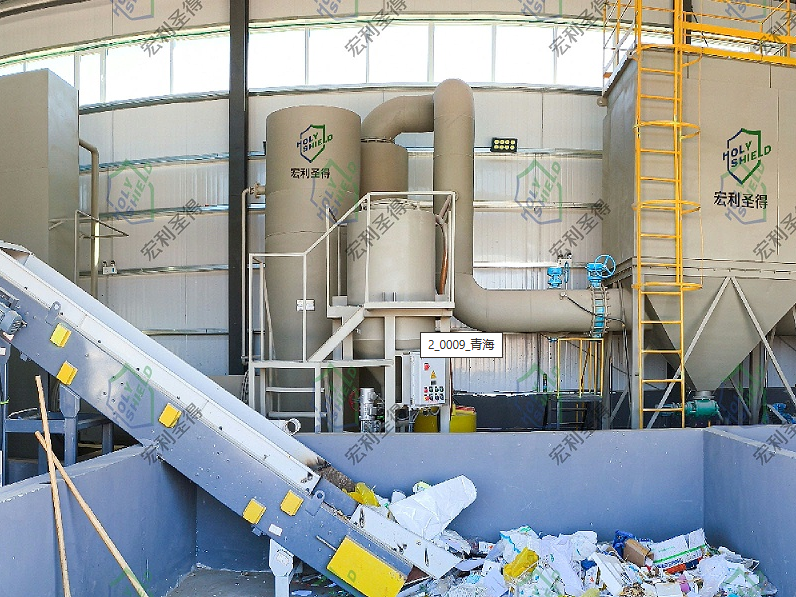
For a project in Dulan County, Qinghai Province, adapting the equipment to winter conditions involved reviewing how furnace insulation, combustion air distribution, and flue gas treatment would work together. This illustrates why equipment comparisons should consider the entire system alongside local climate and site conditions. The applicable measures depend on the scope and equipment configuration of each project.
Prepare a project brief that covers:
Winter weather conditions and site access
Average daily waste volume and seasonal variations
Waste composition and moisture content
Site infrastructure, delivery routes, and installation conditions
Power availability, the planned operating schedule, and supporting system requirements
Applicable planning procedures, environmental impact assessment requirements, and other approvals
An equipment proposal can support the project’s technical assessment. Construction and operation are subject to the approvals applicable to the project. Confirm the required procedures and pollution control requirements with the relevant local authorities based on the project type, scope, and location.
If you are planning a municipal solid waste incineration project in a cold region, share your project location, estimated daily waste volume, and winter site conditions with HOLY SHIELD. Our team can discuss furnace and supporting system configurations suited to your waste characteristics, operating schedule, and site conditions.
Our Location:Hengliu Road, Economic
Development Zone, Zhucheng, Weifang, China
Mail Address:holyshield888@gmail.com


