

Following the adoption of China's Ecological and Environmental Code on March 12, 2026, and its implementation on August 15, 2026, small-scale municipal solid waste (MSW) incineration projects, particularly those serving rural towns and villages, face increasingly systematic environmental compliance requirements.
The most significant change is not simply the introduction of additional regulatory provisions. Rather, environmental compliance is shifting from a reactive approach focused on inspections and corrective actions to a proactive system based on documented procedures, traceable operational data, and verifiable environmental performance.
This article outlines the three essential compliance stages — Environmental Impact Assessment (EIA), Pollutant Discharge Permitting, and Project Acceptance — to help project owners better understand the regulatory requirements and implementation procedures.
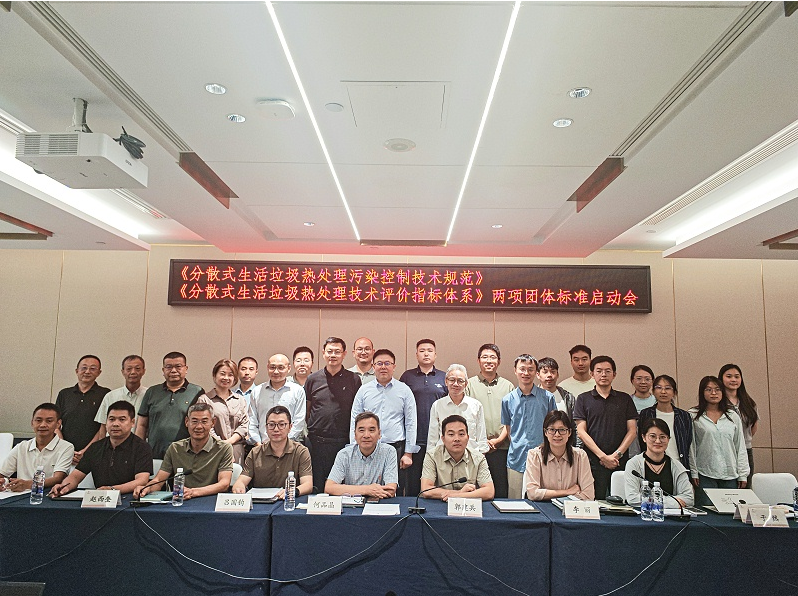
Previously, some small-scale rural waste treatment projects followed a relatively straightforward approach: equipment was purchased, facilities were constructed, and operational responsibilities were largely left to the service provider.
Under the strengthened environmental governance framework, this approach is no longer sufficient.
The Regulations on the Responsibility System for Local Party and Government Leaders in Ecological and Environmental Protection (Trial), issued in July 2025, establish the principles of shared responsibility, dual accountability, and accountability for failures in environmental protection.
Together with the systematic requirements of the Ecological and Environmental Code, these provisions reinforce the environmental responsibilities of local authorities.
Long-term emissions exceedances, repeated public complaints, and inadequate corrective actions may all result in increased regulatory scrutiny and accountability.
For project owners, this means three practical changes:
Document every compliance step: Site selection, environmental assessment, and pollutant discharge permitting must all be supported by complete documentation.
Maintain traceable operational records: Operating conditions and emissions-related data must be recorded and verifiable.
Ensure corrective actions are completed: Environmental issues must be addressed through documented corrective measures and closed-loop management.
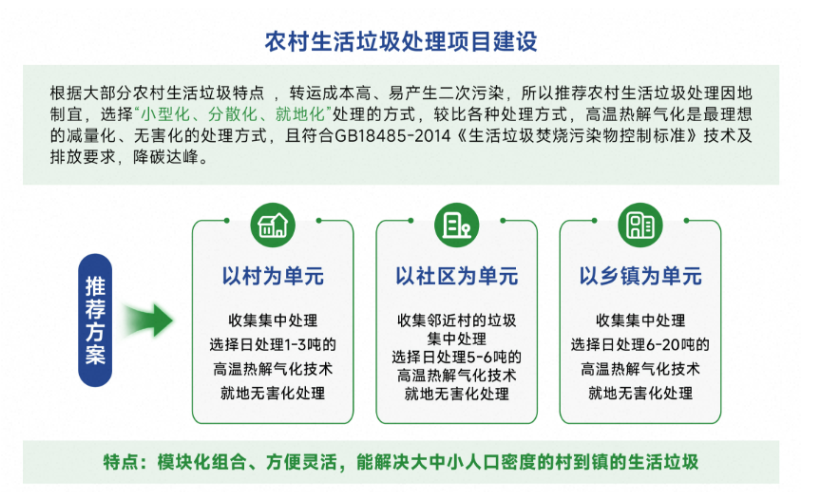
The first step in the EIA process is not preparing the assessment report. It is determining which category applies to the project.
Depending on the project characteristics and applicable regulatory requirements, the assessment may require an Environmental Impact Assessment Report, an Environmental Impact Assessment Form, or an Environmental Impact Registration Form.
The applicable category is determined based on factors such as:
Waste treatment capacity and equipment specifications
Incineration or thermal treatment technology
Project location and surrounding sensitive receptors
Proposed air emission control systems and applicable emission standards
Requirements and implementation procedures may vary between local jurisdictions.
It is not advisable for project owners to determine the EIA category independently.
Before proceeding, we recommend consulting the local ecological and environmental authorities with the following information:
Equipment specifications, including treatment capacity, furnace type, and flue gas treatment configuration.
Project site information, including its proximity to residential areas and other environmentally sensitive locations.
Proposed emission standards and environmental protection measures.
Confirming these requirements in advance can help avoid unnecessary modifications, delays, and additional project costs.
Three common compliance risks should be avoided:
Starting construction before obtaining the required EIA approval.
Inconsistency between the approved design and the actual construction, such as changing the approved treatment process.
Constructing the facility at a location that differs from the approved project site.
China's pollutant discharge permit system generally includes three management categories:
Key management
Simplified management
Registration management
Many small-scale facilities may fall under simplified or registration management, depending on their specific classification under the applicable regulations.
The actual management category should be confirmed with the local ecological and environmental authorities.
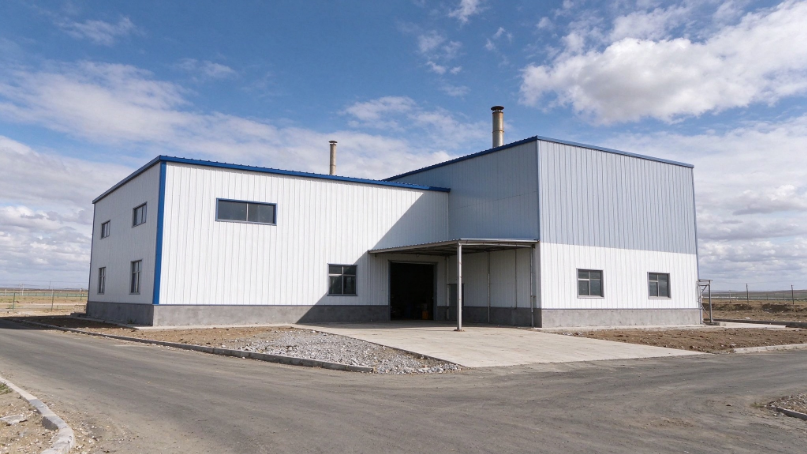
Project Reference: 20 Tons/Day Rural Waste Treatment Project in Balong Township, Dulan County, Haixi Prefecture, Qinghai Province
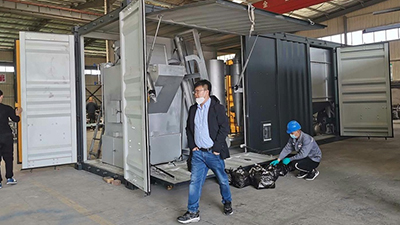
Holy Shield Environmental provided technical support for a 20-ton-per-day rural domestic waste treatment project in Balong Township, Dulan County, Haixi Prefecture, Qinghai Province.
In February 2026, the project obtained its Pollutant Discharge Permit.
According to the project information, it was the first domestic solid waste high-temperature pyrolysis gasification project in China's high-altitude regions to obtain this permit.
This project demonstrates the importance of integrating environmental compliance requirements into equipment selection, system configuration, and project implementation from the early planning stage.
Acceptance monitoring must cover all pollutants specified by the applicable emission standards.
Under China's Standard for Pollution Control on the Municipal Solid Waste Incineration (GB 18485-2014), key pollutants requiring control include:
Particulate matter
Sulfur dioxide (SO?)
Nitrogen oxides (NO?)
Hydrogen chloride (HCl)
Carbon monoxide (CO)
Heavy metals
Dioxins
The specified dioxin emission limit is 0.1 ng TEQ/Nm³.
Testing only particulate matter and visible smoke levels is insufficient to demonstrate full compliance. Incomplete monitoring may result in the rejection of project acceptance documentation.
Effective combustion control is essential for reducing harmful pollutants.
The 3T + E principle focuses on:
Temperature: Maintaining a secondary combustion chamber temperature of at least 850°C.
Time: Ensuring flue gas remains in the secondary combustion chamber for at least 2 seconds.
Turbulence: Providing sufficient mixing to promote complete combustion.
Excess Air: Precisely controlling the air supply to maintain suitable combustion conditions.
In addition, a rapid flue gas cooling system helps prevent dioxin reformation by quickly passing the flue gas through the temperature range in which dioxins may be regenerated.
These are not merely design specifications. Temperature, residence time, and other critical operating parameters must be continuously monitored or properly recorded to ensure traceability.
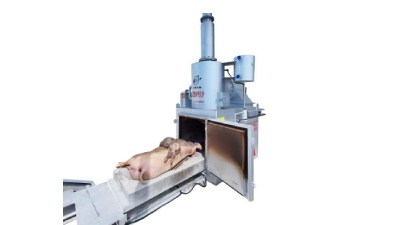
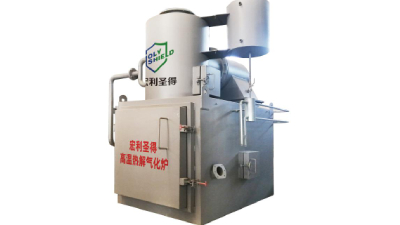
Holy Shield Environmental adopts a staged high-temperature gasification and incineration process for small-scale rural municipal solid waste treatment applications.
After sorting, waste is fed into the primary reaction chamber in batches. Through precise oxygen control, the waste undergoes successive stages of drying, pyrolysis, and burnout.
Solid residues are discharged automatically.
The generated flue gas is then transferred to a secondary combustion chamber, where high-temperature treatment promotes the decomposition of harmful components.
The subsequent flue gas treatment system incorporates multiple purification stages:
Rapid Quenching: Quickly reduces flue gas temperature to help prevent dioxin reformation.
Desulfurization and Denitrification: Reduces sulfur dioxide and nitrogen oxide emissions.
Multi-Stage Dust Collection: Captures particulate matter, heavy metals, and other trace pollutants.
This integrated treatment process significantly reduces waste volume and is designed to support stable emissions control when properly configured, operated, and maintained.
It is particularly suitable for decentralized waste treatment applications in rural towns and villages, where centralized waste treatment infrastructure may be limited.
To reduce compliance risks and improve project implementation efficiency, we recommend the following measures:
1. Integrate Environmental Compliance into the Initial Project Planning Stage
Confirm site selection requirements, applicable emission standards, and environmental assessment procedures before finalizing the project design. Early communication with local environmental authorities can help prevent costly adjustments later.
2. Clearly Define Technical Documentation Responsibilities
Specify which party is responsible for providing the technical documents required for environmental assessment, equipment installation, emissions monitoring, and project acceptance. Establish clear delivery timelines to avoid delays during the final acceptance stage.
3. Establish Operational Records from Day One
Maintain complete operational records, including combustion temperature, flue gas residence time, equipment maintenance, inspection records, and other relevant operating parameters.
A well-maintained operational log provides essential evidence of proper equipment operation and environmental compliance.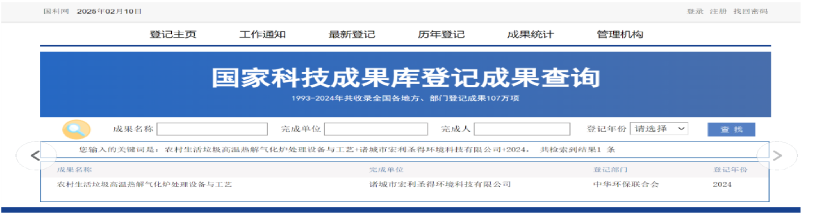
Our Location:Hengliu Road, Economic
Development Zone, Zhucheng, Weifang, China
Mail Address:holyshield888@gmail.com


