

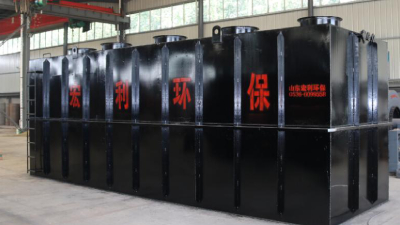


When planning a pet cremation project, many buyers begin by asking about equipment dimensions and processing capacity. In our discussions, however, we usually start with another question: Have you identified a suitable site?
Whether equipment can be delivered, installed, and maintained depends on more than the dimensions of the cremator itself. The permitted use of the property, building conditions, and supporting systems also need to be considered early in the planning process.
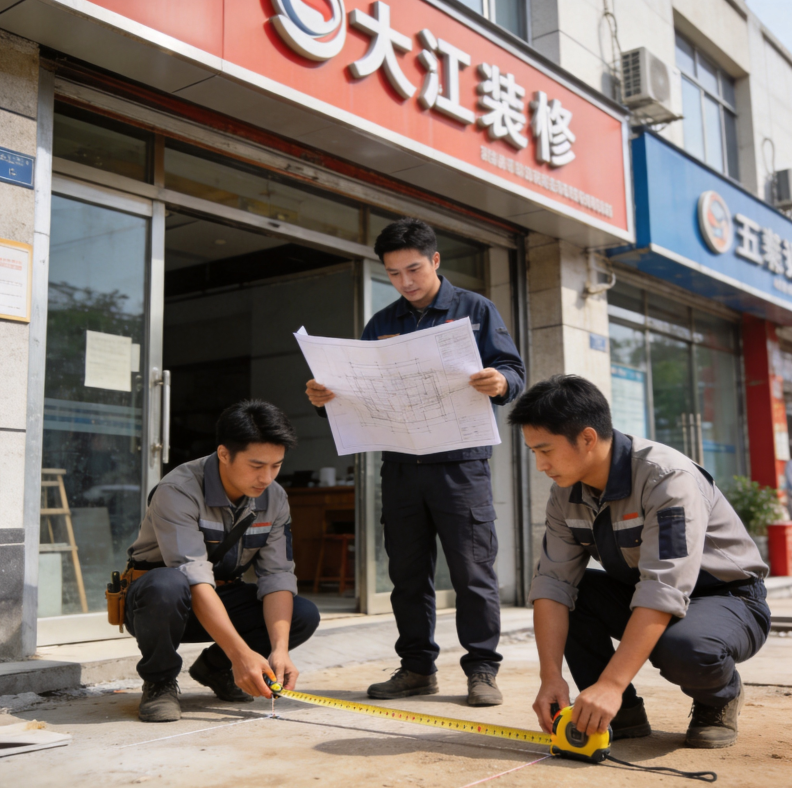
Providing pet funeral services and operating pet cremation equipment are not necessarily treated as the same business activity. A site used only for farewell ceremonies and customer reception may be subject to different development and regulatory requirements from one that includes cremation equipment.
When evaluating a property, clearly describe the activities you intend to carry out. Then consult the relevant local authorities about land or property use, planning requirements, and environmental requirements.
Do not rely solely on a landlord’s statement that a similar business previously operated there. Likewise, documentation supplied by an equipment manufacturer should not be treated as confirmation that the site has been approved for the intended use.
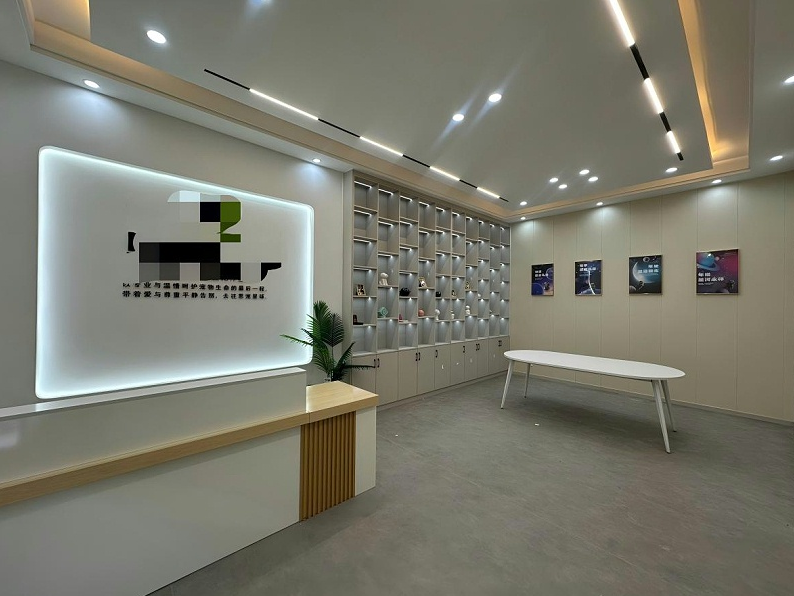
Some properties appear spacious enough, but problems only become apparent when the equipment arrives: a doorway is too narrow, a corridor corner is too tight, or a lift is too small.
Measurements should cover more than the installation room. Starting at the truck unloading point, check the entire route through entrances, corridors, corners, and lifts to the final installation position.
If lifting equipment or a crane will be required, confirm suitable lifting locations and site access conditions in advance.
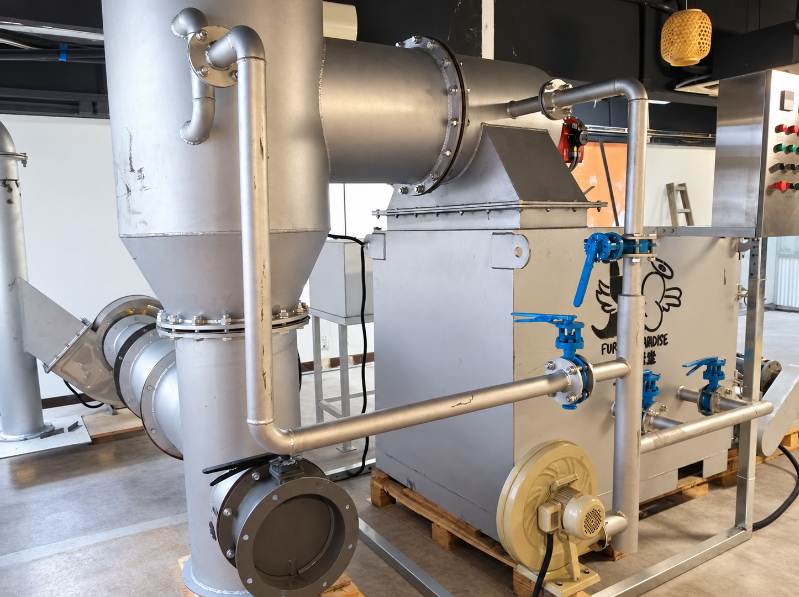
If the equipment will be installed on an upper floor, the assessment must account for the cremator, its base, and all supporting equipment.
A unit’s relatively compact appearance does not mean that the floor can safely support it. A qualified professional should assess the building structure. The manufacturer can provide equipment dimensions, weights, and installation information to support that assessment.
A pet cremation installation consists of more than the cremator itself. Depending on operating conditions, the layout must also accommodate the combustion system, flue gas treatment equipment, ductwork, electrical installations, and maintenance access.
When assessing a site, consider where supporting equipment will be placed, how ductwork will be routed, and whether personnel will be able to access the system for inspection and maintenance.
Reserving space only for the cremator may leave insufficient room for a practical layout of the complete installation.
Once installed, the equipment will require routine operation, cleaning, and servicing. A layout based on whether the unit can “just fit” is therefore insufficient. Suitable access routes and working clearances should be provided around the equipment.
At HOLY SHIELD, we discuss equipment configurations based on each customer’s business model, site photographs, measurements, and operational requirements.
Our 3T+E high-temperature pyrolysis and gasification technology also needs to be considered together with the specific equipment configuration and supporting systems. A technology name alone does not establish whether a solution is suitable for a particular project.
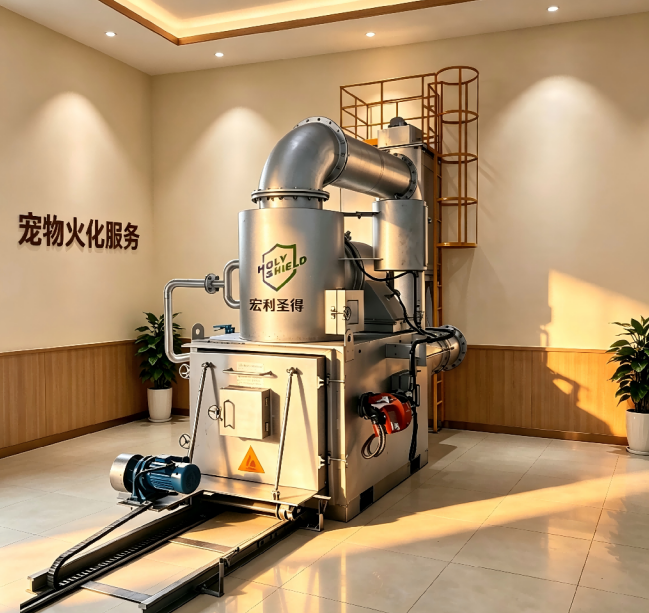
One easily overlooked detail is the importance of retaining photographs marked with dimensions or a simple measured site plan.
If the installation layout needs to change, everyone can refer to the same site information instead of relying on verbal descriptions each time. Where new utility lines or equipment foundations are required, these should also be reviewed by qualified professionals before construction begins.
Before selecting an equipment model, prepare the project location, a site floor plan, doorway and access-route dimensions, floor-level information, and a clear description of your business requirements. Having this information ready makes discussions with the manufacturer more efficient.
Confirming site conditions before finalizing the equipment helps avoid discovering, after delivery, that the installation cannot be accommodated.
Our Location:Hengliu Road, Economic
Development Zone, Zhucheng, Weifang, China
Mail Address:holyshield888@gmail.com


