

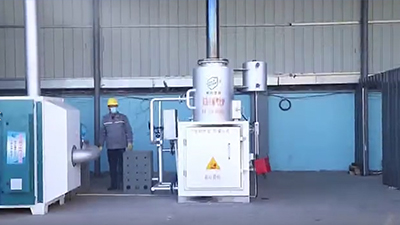
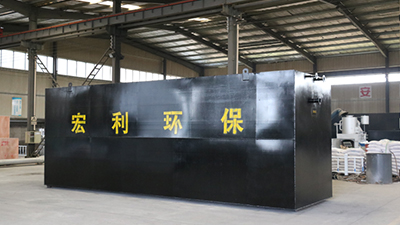
For animal harmless disposal and pet aftercare projects, pet cremators serve as core equipment. For state-owned third-party operators, harmless treatment centers and zoos undertaking animal carcass disposal services, equipment compliance and project feasibility are two key considerations for equipment selection.
Environmental assessment compliance lays the foundation for project execution. When purchasing pet cremators, buyers should not only refer to test results obtained under laboratory conditions. It is also critical to evaluate whether flue gas emissions remain stable during continuous routine operation and support real-time continuous emission monitoring.
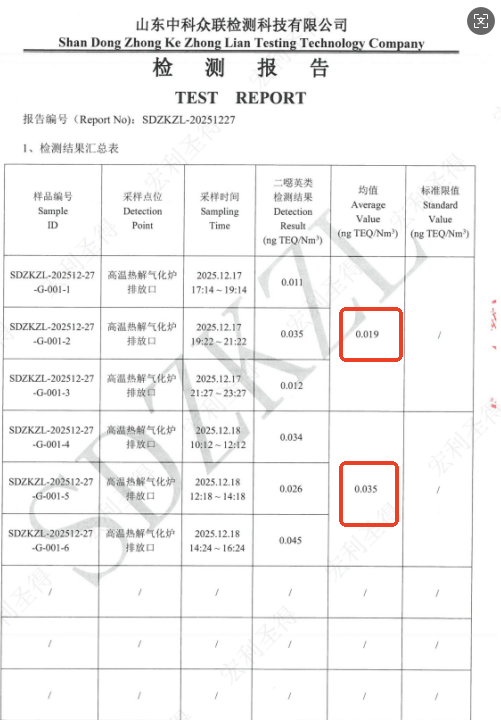
Some units may meet emission standards under static test conditions. However, emission indicators may fluctuate during high-volume continuous operation, which may hinder environmental assessment approval and delay project progress. Project technical leads are advised to verify field operation data and confirm that the process can satisfy relevant solid waste emission requirements.
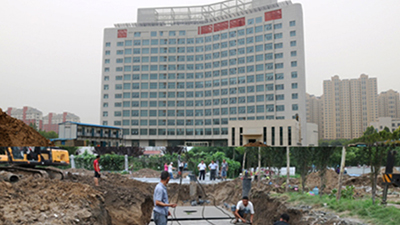
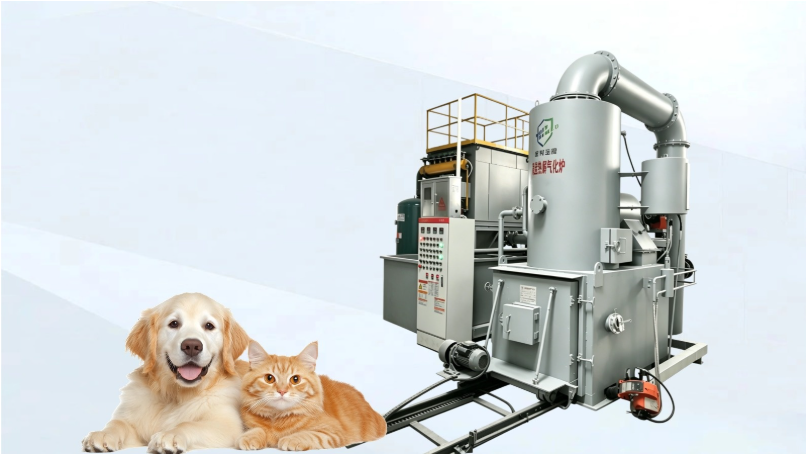
Completed project references are valuable when evaluating suppliers of pet cremators. Theoretical technical documents cannot fully replicate on-site working conditions. Real project cases help demonstrate a manufacturer’s design capability and solution reliability. Manufacturers with extensive project experience understand diverse requirements of harmless disposal projects and can provide customized solutions based on site layout and processing capacity.
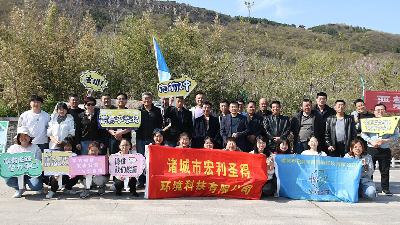
Qualified suppliers can supply complete certification documents and patent certificates. Their technical teams maintain full communication throughout the project and deliver tailored solutions according to site conditions. The service scope covers preliminary proposal consultation, technical support, factory visits and after-sales technical assistance.
Our Location:Hengliu Road, Economic
Development Zone, Zhucheng, Weifang, China
Mail Address:holyshield888@gmail.com


