

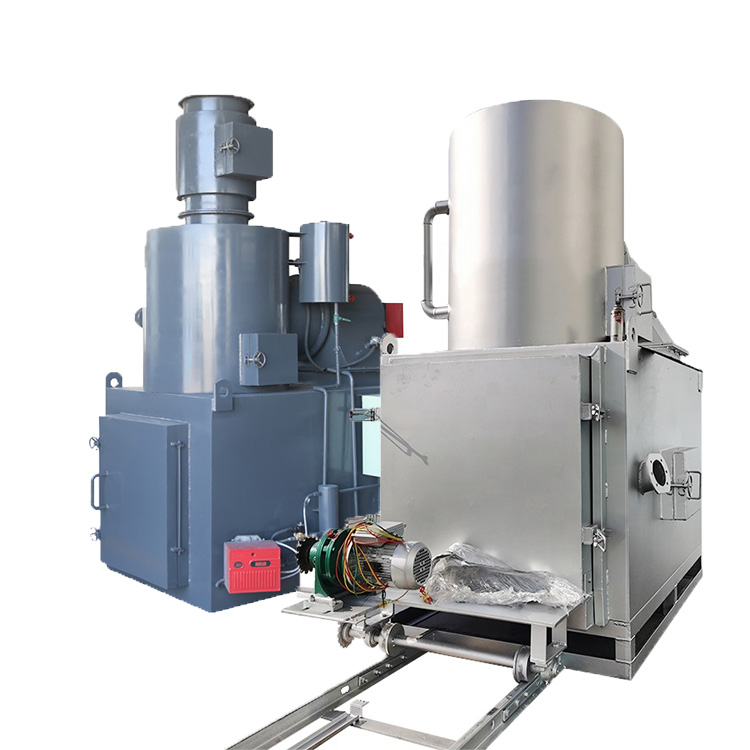

General hospitals generate large volumes of infectious and pathological medical waste every day. Improper disposal may lead to germ spread and environmental risks. Selecting a suitable hospital waste incinerator plays an important role in standardized medical-waste management for medical institutions.
Designed with fully-sealed structural protection, the incinerator operates under closed conditions. It helps reduce leakage of odors and germ-carrying gas during waste treatment, lowers staff exposure to hazardous waste, and delivers basic safety protection for on-site operators. It fits on-site disposal scenarios inside general hospitals.
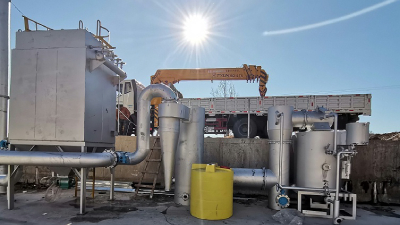
Equipped with integrated flue-gas purification units, the equipment can reach environmental-protection compliance, assisting medical institutions to meet local environmental-control requirements and ease environmental-assessment risks. For common hospital waste such as masks, dressings, discarded consumables and pathological waste, high-temperature pyrolysis and secondary combustion technologies support harmless treatment and cut potential risks during waste transportation.
Daily waste output varies among general hospitals of different sizes. This series of hospital waste incinerators supports multiple model selections to fit treatment capacity needs of small-and-medium and large-scale general hospitals. It features simple operation and convenient maintenance for daily management by hospital logistics teams.
For medical-waste management, general hospitals should pay attention not only to waste sorting and collection, but also to structural protection and emission performance of end-treatment equipment. Hospital waste incinerators with fully-sealed structural protection and environmental-protection compliance help medical facilities build a complete medical-waste disposal chain and supply practical solutions for daily hospital operations.
Our Location:Hengliu Road, Economic
Development Zone, Zhucheng, Weifang, China
Mail Address:holyshield888@gmail.com


