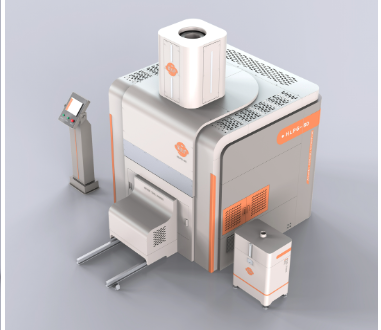
Medical waste is divided into five categories: infectious waste, sharps waste, pathological waste, pharmaceutical waste, and chemical waste. Common treatment technologies include high?temperature incineration, high-temperature steam sterilization, chemical disinfection, and microwave disinfection.
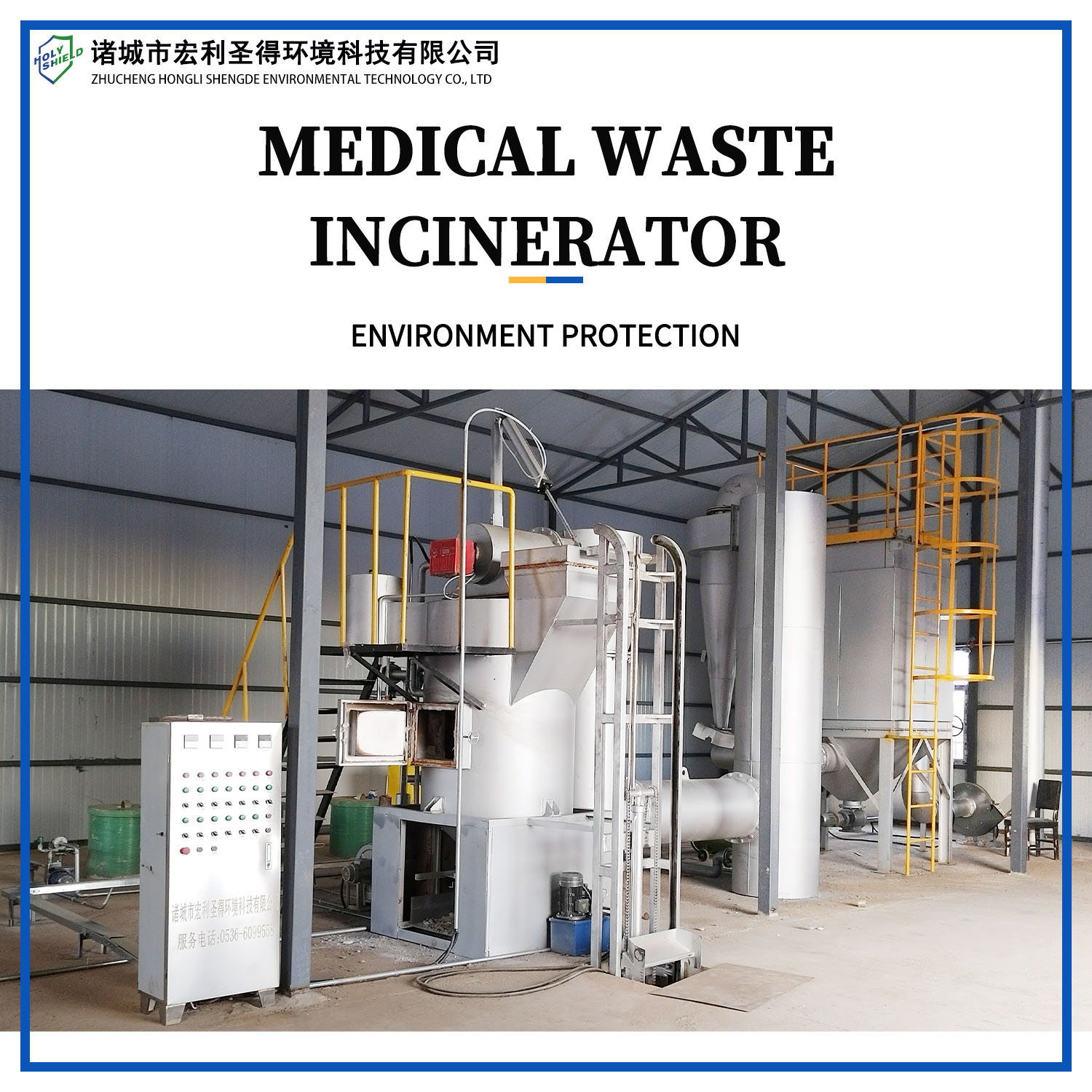
High-temperature incineration uses high-temperature thermal treatment to trigger oxidative decomposition of organic components in medical waste, achieving harmless treatment and volume reduction of medical waste. Applicable to all five categories of medical waste, incineration boasts thorough sterilization, high waste destruction rate and prominent volume?reduction performance. With complete supporting standards and specifications, high-temperature incineration is a relatively ideal technology for medical waste disposal.
The 3T+E high-temperature pyrolysis incineration method for medical waste disposal, which is included in the National Science and Technology Achievement Database, has various technical advantages, mainly reflected in the following aspects:
-
Thorough harmless treatment. Incineration thoroughly oxidizes and decomposes organic substances in medical waste through high temperature. It can quickly kill harmful microorganisms such as pathogens, viruses and bacteria in waste, and effectively avoid the risk of secondary pollution.
-
Strong adaptability. The incineration method is applicable to all types of medical waste, including infectious waste, pathological waste, pharmaceutical waste and chemical waste. Complex classification or pre treatment of medical waste is not required, which greatly simplifies the operation process.
-
Remarkable volume reduction effect. During incineration, the volume of medical waste can generally be reduced by more than 90%, and its weight is also significantly decreased. This greatly reduces the demand for subsequent treatment and landfill, saves landfill space and eases environmental pressure.
-
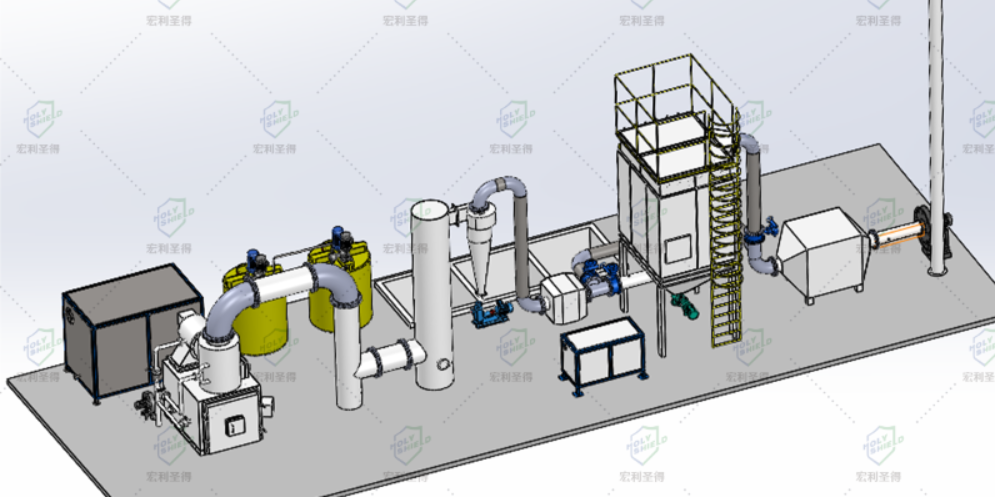
Reliable environmental protection performance. Equipped with an advanced flue gas purification system, the incinerator can effectively capture particulate matter and harmful gases generated in the incineration process. Through multiple purification processes including semi dry, dry and wet deacidification, activated carbon injection adsorption and bag house dust removal, the incinerator can keep flue gas emissions within national or international standards and greatly reduce impacts on air quality.
-
Stable equipment operation. The incinerator features simple operation and high stability. Incineration parameters can be flexibly adjusted according to the characteristics and disposal requirements of medical waste, improving the reliability and cost?effectiveness of equipment operation.
In conclusion, the 3T+E high-temperature pyrolysis incineration method included in the National Science and Technology Achievement Database presents prominent technical advantages in the field of medical waste disposal. It can effectively realize the harmless treatment, volume reduction and resource utilization of medical waste, and is one of the important technical means for medical waste disposal at present.