


With the improvement of the national production level, the classification of waste sources has been gradually improved, the calorific value of waste has increased year by year, and the incineration profit of waste incineration power plants has also increased.
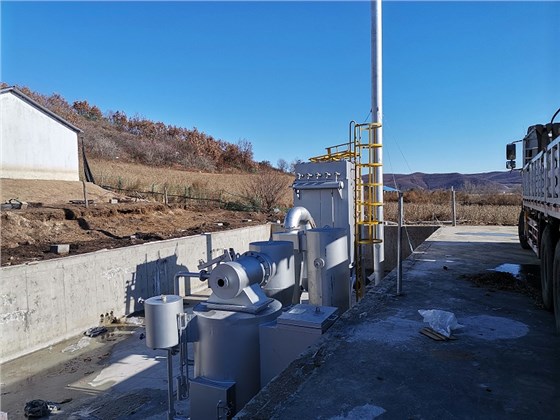
It is reported that the fly ash from the waste incineration plant has three destinations:
1. Make building materials after high temperature melting treatment;
2. Enter the cement kiln for co-processing;
3. Enter the landfill after curing and stabilization and testing to meet the standards.
The third one is the international mainstream fly ash treatment method.
The volume of fly ash produced after waste incineration can be reduced to 2-10% of the original waste after solidification and stabilization, and has excellent leaching resistance, dry and wet resistance, penetration resistance, and freezing resistance, and also has sufficient The mechanical strength meets the entry requirements for zoned landfill treatment.
Waste incineration can not only provide a method of waste disposal, but also use the thermal energy of incineration to generate electricity and heat, which can be said to meet the requirements of a circular economy.
According to relevant data, the current domestic incineration power generation technology can generate electricity of about 250-350kw.h/t, saving 81-114kg of standard coal and 202-283kg of carbon dioxide emissions per ton of domestic waste incineration.
The emission and generation of pollutants in the process of waste incineration has a great relationship with the technical design of waste incinerators. Therefore, it is very important to choose a good manufacturer of solidification and stabilization equipment for waste incineration fly ash. Holy Shield is a professional manufacturer of hazardous waste and solid waste stabilization (solidification) equipment. Its main business is: waste incineration equipment, sewage treatment equipment, etc. You are welcome to consult and order.